
An interview with Architect Greg Faulkner of Faulkner Architects - The Jury of Tiny House 2025 Architecture Competition
Jury
20 Jan 2026

We would like to take this opportunity to introduce you to our jury member of the Tiny House 2025 Architecture Competition.
We’re delighted to speak with "Greg Faulkner", raised near Chicago in Indiana, he grew up in an industrial landscape defined by steel mills and rail lines. It was a place where buildings served a utilitarian purpose and materials were chosen for their resilience. This environment left a quiet imprint, informing a design ethos rooted in self-sufficiency and pragmatic resourcefulness.
With an associate degree in Industrial Illustration Technology from Purdue University, he began his professional journey as an aircraft design engineer, working on advanced aviation projects at Cessna and LearAvia that demanded exceptional precision and material intelligence. This rigorous engineering foundation seamlessly informed his transition to architecture, shaping a design philosophy defined by structural clarity, efficiency, and responsiveness to context. He later earned a Bachelor of Arts in Architecture from the University of New Mexico and a Master of Architecture from MIT.
After completing his studies, Greg set out westward to explore the backcountry of the Sierra Nevada Mountains. Here, he developed a deep connection to the landscape—its topography, climate, and history—that shapes the subtle, respectful dialogue between his work and its context. Greg formed Faulkner Architects in 1998 and continues to draw inspiration from a wide pool of sources: a region’s historical vernacular, the tactile remnants of its geologic history, and the applicability of sustainable technologies. He carefully integrates leading-edge strategies into projects to ensure resilience in the face of growing wildfire threats, increasing snow loads, water scarcity, and extreme temperature swings.
We're excited to speak with him about his perspective on the field of architecture and his expectations from the participants of the Tiny House 2025 Architecture Competition. For the purpose of this interview, he would be referred to as GF in responses, however, Volume Zero is referred to as VZ.
CAMPout
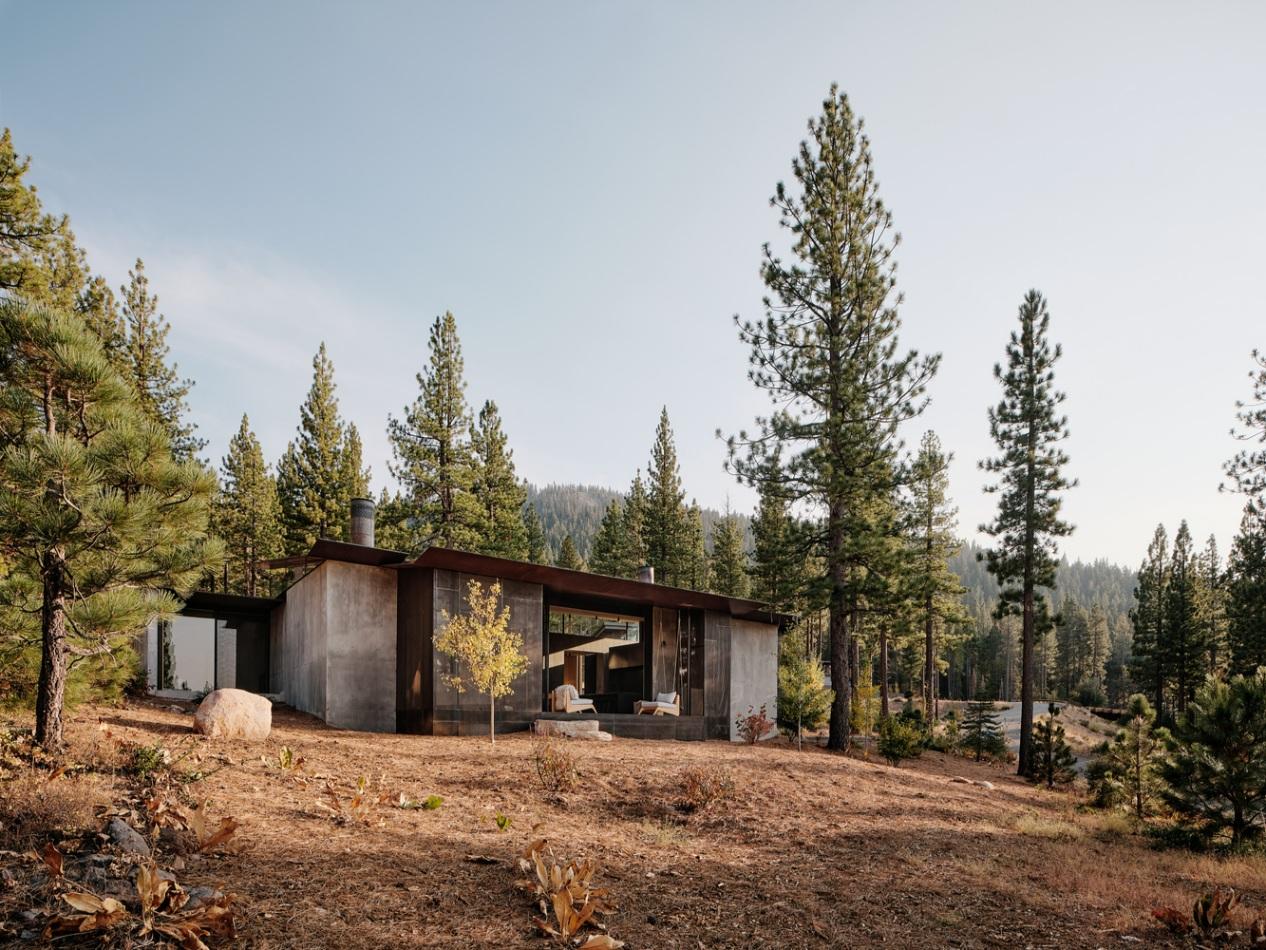
VZ- What are some of your favorite projects/projects that you worked on?
GF- Long Bay Camp near Ottawa, Ontario, Canada. A bi-level site on Bobs Lake – new construction in footprint of old camp structures to protect site. Simple steel forms connected via a funicular and stair that descend a stone outcrop. The project will serve as a destination stop for travelers on the interconnected lakes in the area.
Red Rock House
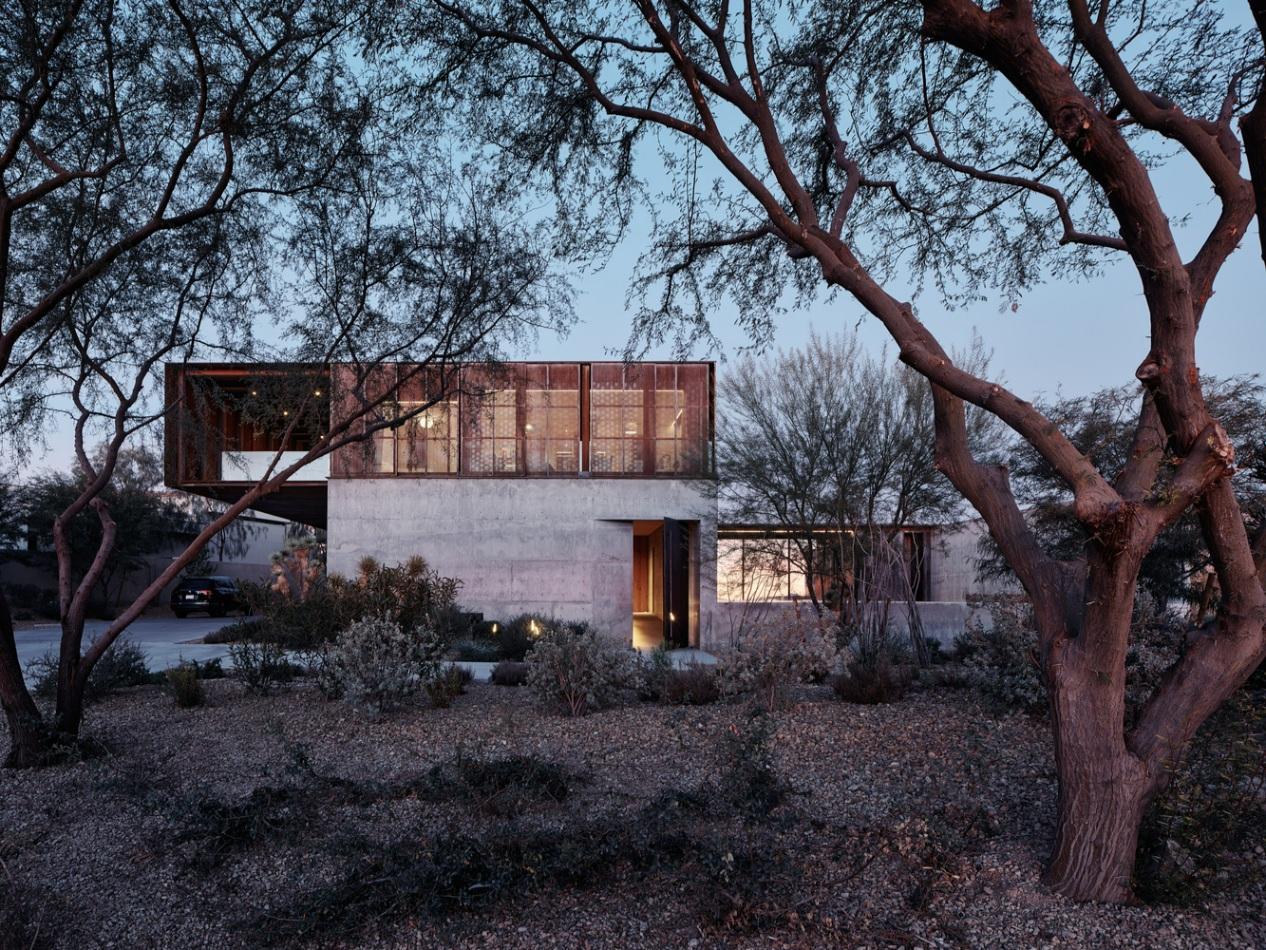
VZ- What has been your most challenging project?
GF- Our house in the Mojave Desert near Las Vegas is a reversal in environment from our usual projects. Sustained 120-degree Fahrenheit heat with strong winds.
VZ- What would be your word of advice for all the young budding students and architects who are looking to make a mark in this professional world?
GF- Focus on the acquisition of knowledge and doing very good work, consistently.
VZ- What are you expecting from the proposal and the participants for the Tiny House 2025?
GF- Yes, the whole package – also with structural/construction concept and materiality inside and out.
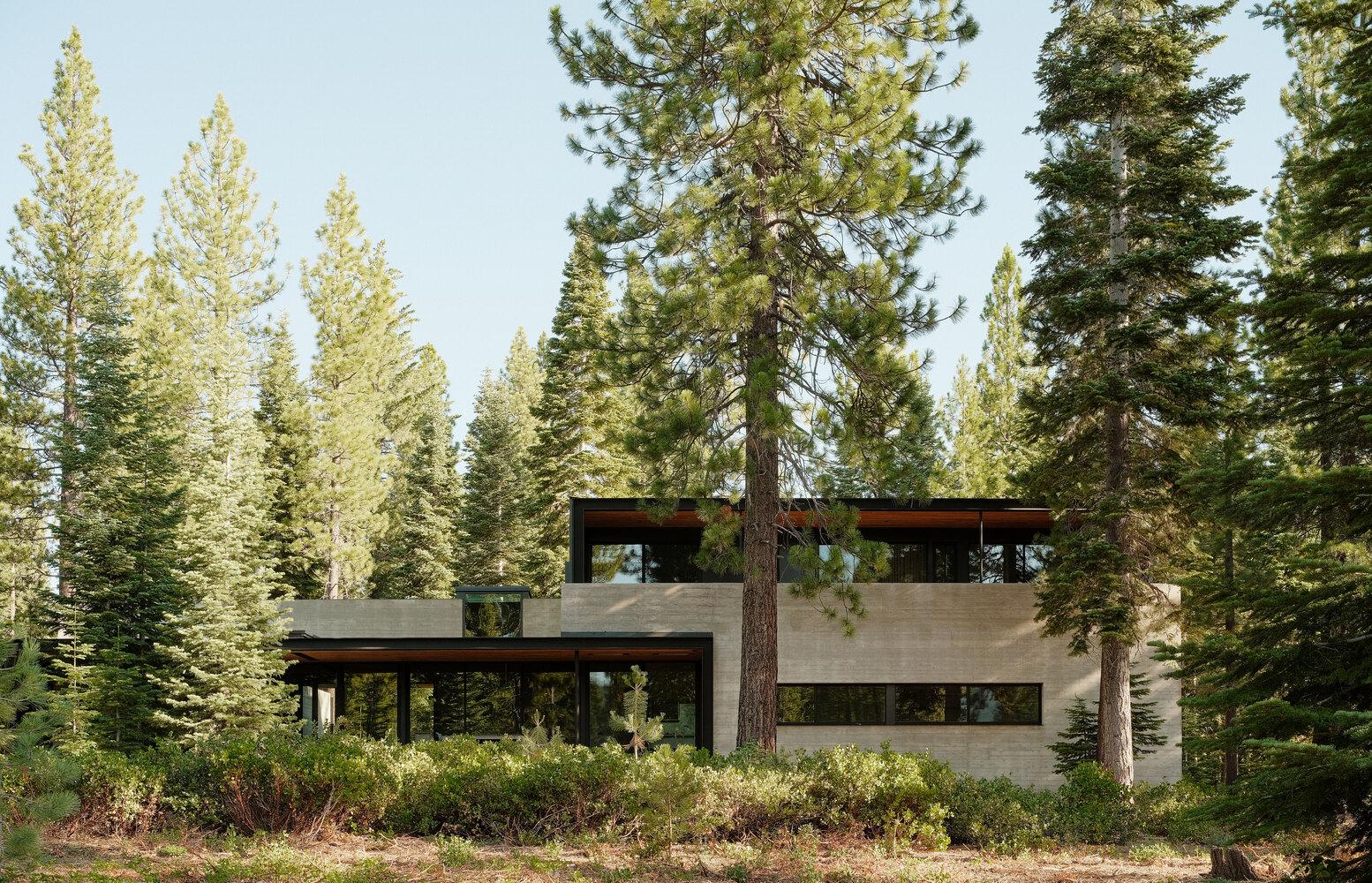
Forest House
VZ- Is there any aspect of the brief that appeals to you the most or do you find it the most challenging?
GF- Mobility and resultant dimensional constraints. 8.5’ wide x 30’ long = 255 square feet. Weight – 6K – 20K pounds on a trailer basis.
VZ- How do you approach the idea of designing a Tiny House in today's world?
GF- It must be carbon neutral, built from reclaimed materials and components, off-grid capable with solar panels, battery, rainwater and gray water capture storage system, separate blackwater leach field, Starlink. Exterior is sheathed in reclaimed, zero-maintenance, steel aluminum or copper. A roof deck with deployable waterproof tensile type shade. The walls and roof would open to connect with landscape. Interior would be developed with muti-use, max efficiency.