
An interview with Architect Cheng Tsung Feng of Cheng Tsung Feng Design Studio - The Jury of Tiny House 2025 Architecture Competition
Jury
04 Dec 2025
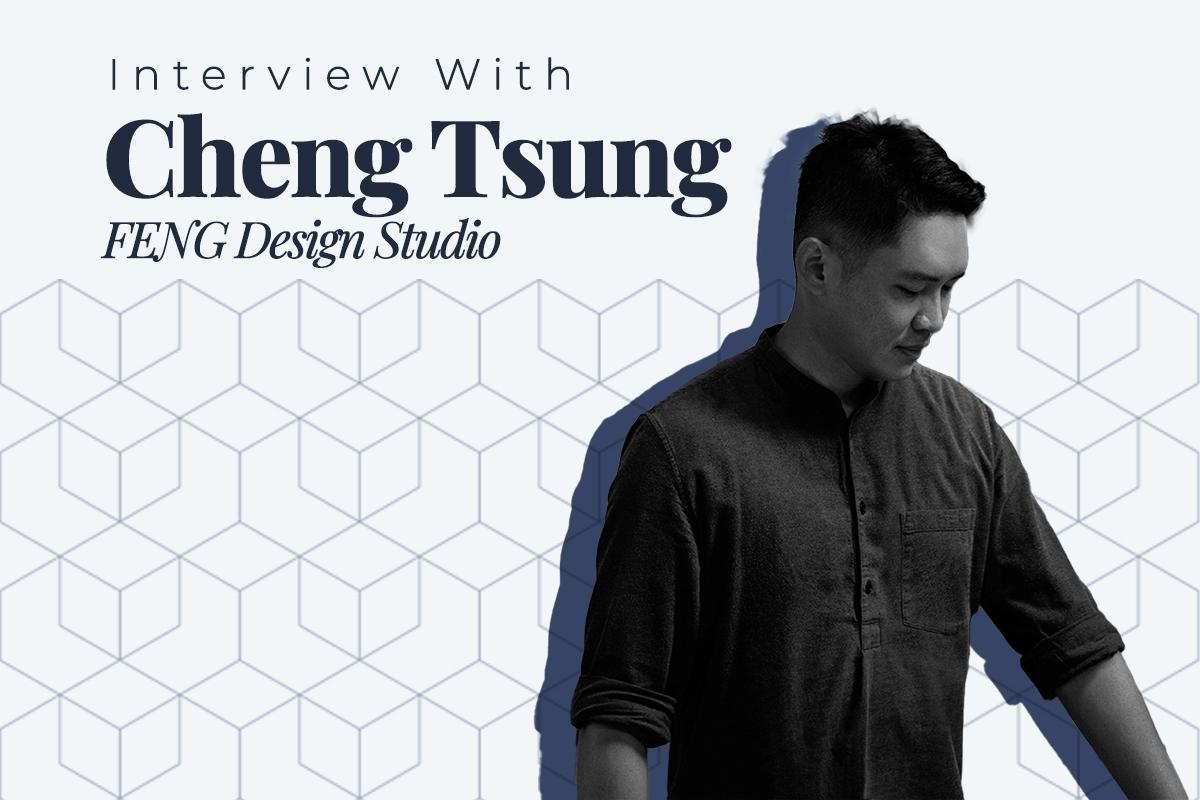
We would like to take this opportunity to introduce you to our jury member of the Tiny House 2025 Architecture Competition.
We’re delighted to speak with "Cheng Tsung Feng", an artist who deeply studies traditional craft culture. He learns the production of traditional handmade objects from old craftsmen from different regions, and spends a long time collecting and researching the ancient and gradually forgotten oriental culture, creating art works in various forms and sizes based on this.
His works are not only beautiful, but also storytellers of traditional culture and handmade memories. He shares the gradually forgotten stories through his works, allowing these precious handmade memories to be passed down in modern times.
He often incorporates modern technology into his works, constantly exploring new ways of creation, and always focuses on the quality and aesthetic of his works. He is an artist with rich value in handmade craftsmanship, full of development potential, imagination, and exploration spirit.
He has been invited by Hermes, Cartier, Boucheron, Loewe, Bottega Veneta, The Balvenie, Apple, Aesop, Nike, The Ritz-Carlton, HBO, Kvadrat and other international brands to create commissioned artworks & projects.
We're excited to speak with him about his perspective on the field of architecture and his expectations from the participants of the Tiny House 2025 Architecture Competition. For the purpose of this interview, he would be referred to as CTF in responses, however, Volume Zero is referred to as VZ.
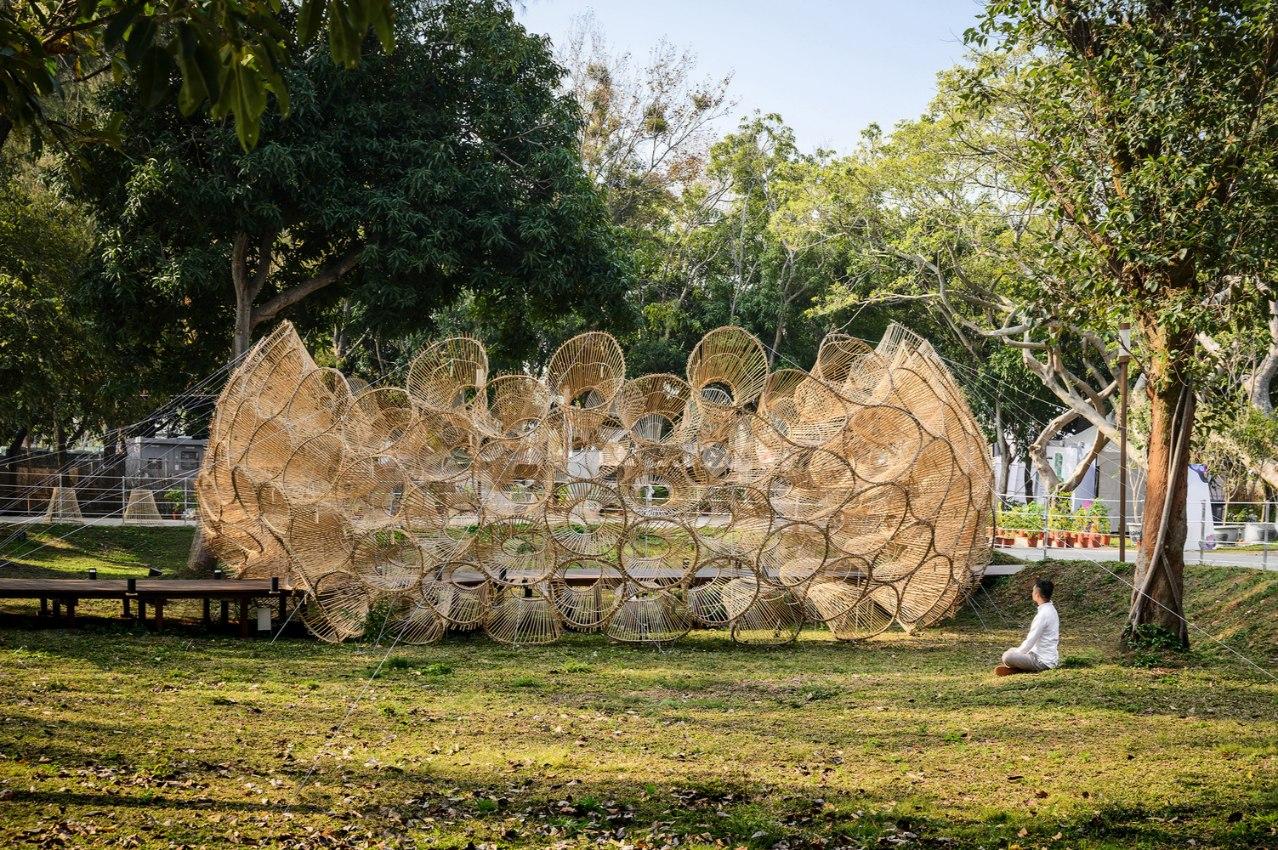
Fish Trap house IV Houli
VZ- What are some of your favorite projects you've worked on? What were the most exciting parts about them?
CTF- I truly enjoy every project I've worked on, so it's hard to pick a favorite. But I've noticed that the first piece in any of my series tends to be the most challenging—and often, the most exciting.
Take the Fish Trap House series, for example. While creating the first work, I discovered the traditional fishing traps used by the Thao, one of Taiwan's Indigenous tribes. I was deeply inspired and wanted to transform the craftsmanship of these traps into a large-scale outdoor spatial installation. That exploration became a turning point—it led me to develop a way of telling stories about traditional craftsmanship through space and art.
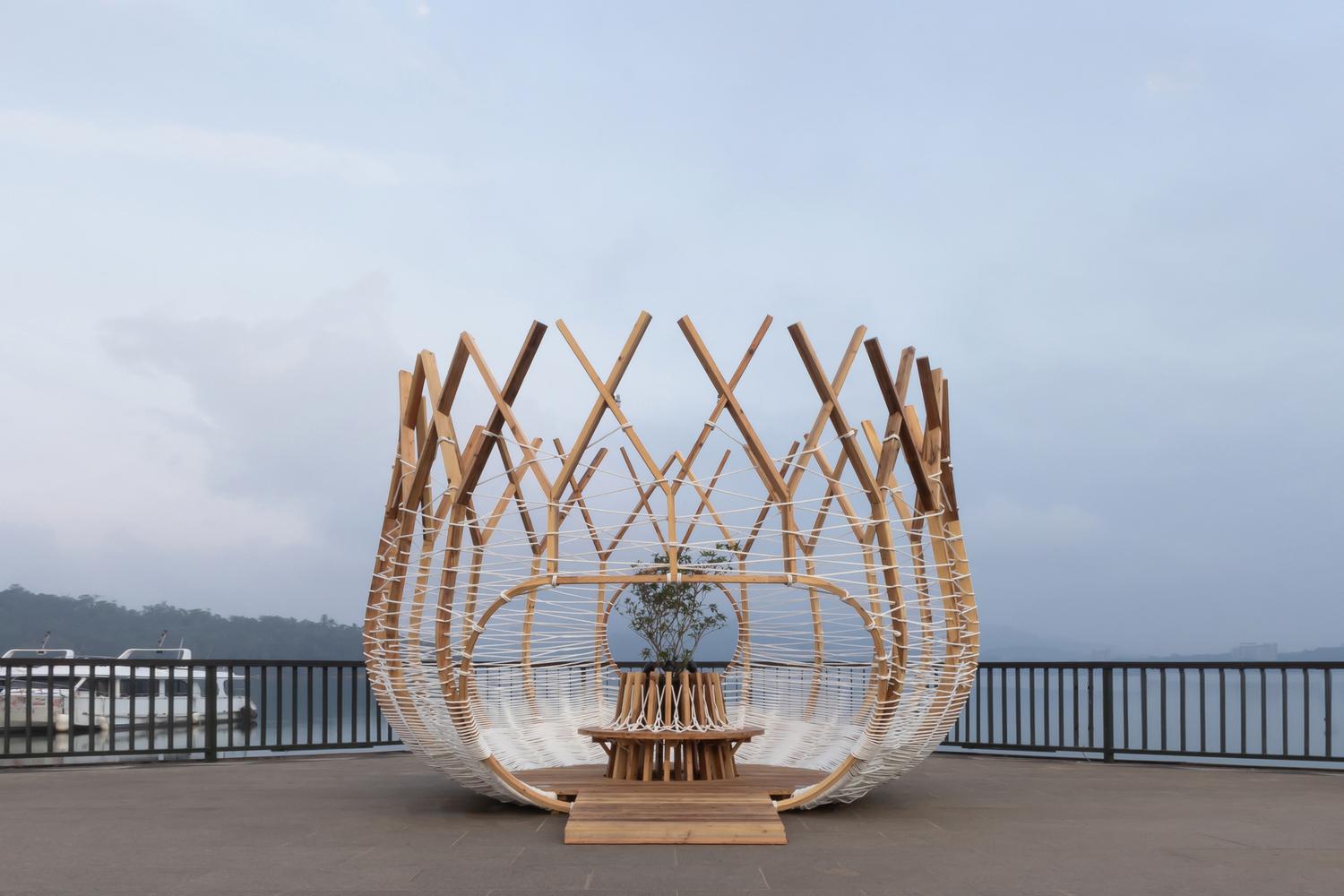
Another example is the Nesting Plan series. It marked my first time exploring non-human craft forms (most of my works are rooted in traditional human craftsmanship). The inaugural piece was based on the nesting behavior of the Gray-Cheeked Fulvetta, a native bird in Taiwan. I used human construction materials and weaving techniques to pay tribute to the bird's nest-building skills, creating a pavilion that people could actually rest in.
VZ- What has been your most challenging project? What were the challenges you faced?
CTF- I consider myself a lucky artist—I've often been trusted by clients and collaborators, and granted a great deal of creative freedom. Within each project, I deliberately set personal challenges: new materials, unfamiliar construction methods, or unexplored structural possibilities. These are the kinds of difficulties I enjoy—ones I seek out myself in pursuit of growth.
Nesting Plan I Gray-Cheeked Fulvetta
VZ- What advice would you give to young students or architects trying to make a mark in this professional world?
CTF- I encourage young creatives to listen honestly to themselves. Pay attention to your true personality and aesthetic—it will help you discover your own path and attract the right opportunities and resources. With each project, do your best. Over time, you'll get to know yourself better, and become clearer about the kind of choices you want to make and the direction you want to take.
VZ- What are you expecting from the proposals and participants of Tiny House 2025?
CTF- I'm excited to see proposals that are subjective, honest, and crafted with care. A work often reveals something about its creator, and I look forward to discovering the diverse souls behind each piece. Even if a project is immature, incomplete, or full of imperfections, I'm often moved by the undeniable charm that shines through.
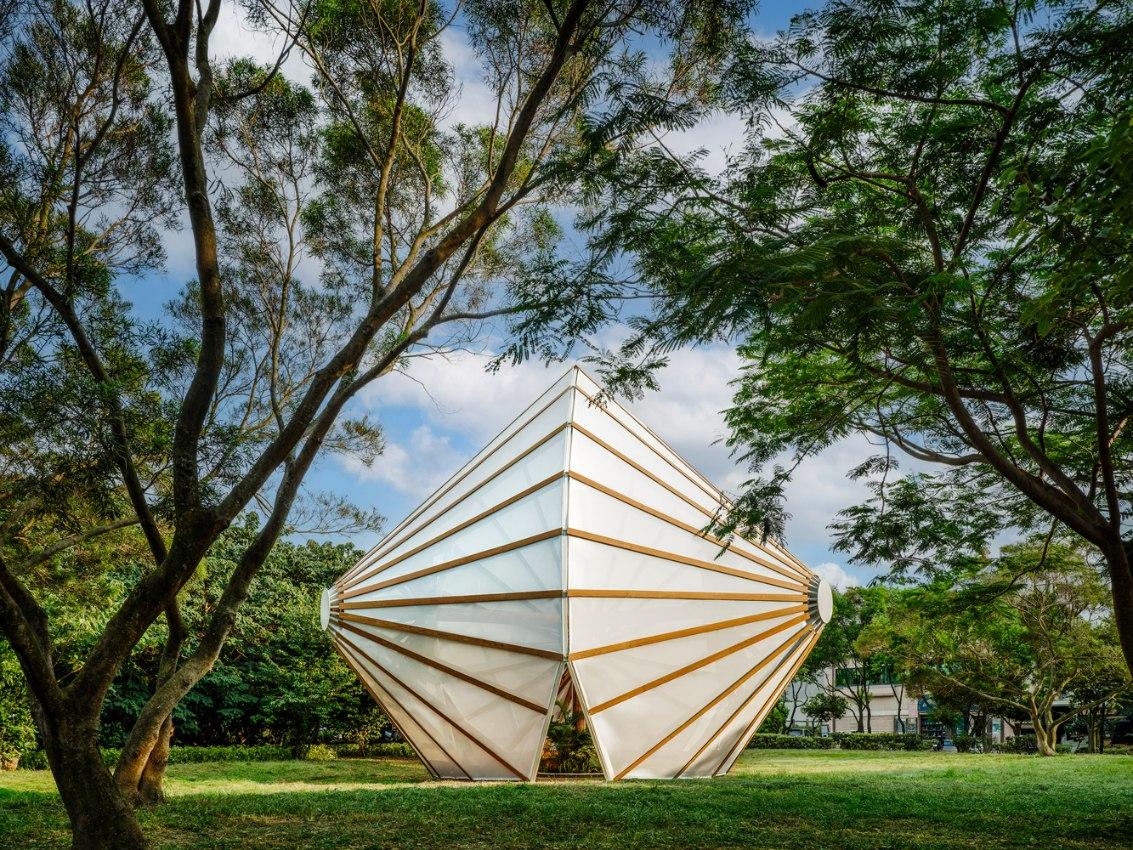
All Together Under the Umbrella
VZ- Is there any aspect of the brief that you find particularly appealing or challenging?
CTF- For an open-ended topic like this, I think the biggest challenge lies in finding your own perspective—your true passion and point of entry. And throughout the countless decisions in the design process, being able to stay true to that original spark without losing it along the way—that is another deeply challenging yet meaningful task.
VZ- How do you approach the idea of designing a Tiny House in today's world?
CTF- As with all my creative work, I'd likely begin by researching the historical and cultural or natural context of a region—searching for clues related to the idea of a "tiny house." I'd look into how people (or even animals or insects) once used space, how they built structures, and what their intentions were. I believe there's always a compelling point of entry hidden in those stories.